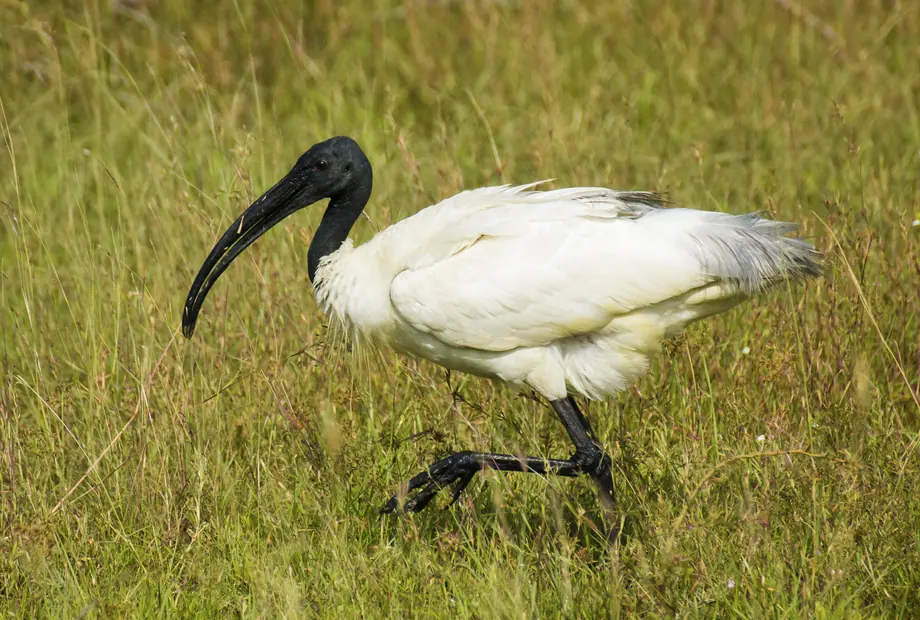
Drone or phone? Choosing the right imagery for your fields
Draft: a launch-seed article. It reflects our genuine approach and contains no invented results.
You do not need an expensive rig to get useful crop imagery. The right tool depends on field size, the question you are asking, and how often you need to look.
When a phone is enough
For a suspected problem in a known area — a discoloured patch, a row that looks off — a phone walk-through is often all you need. It is high-resolution up close, it is always in your pocket, and Verdyn accepts it.
When a drone pays for itself
For whole-field coverage, repeat monitoring, or hard-to-reach areas, a drone flight gives consistent, georeferenced imagery you can compare flight to flight. That consistency is what makes change-detection over time possible.
A practical rule of thumb
- Small area, specific question → phone.
- Whole field, repeatable record → drone.
- Either way, consistent lighting and steady capture beat expensive gear.
This is a launch draft and will be expanded with capture guidance for specific crops.
Written by the people building Verdyn's detection models and working with partner organisations in the field.
Keep reading
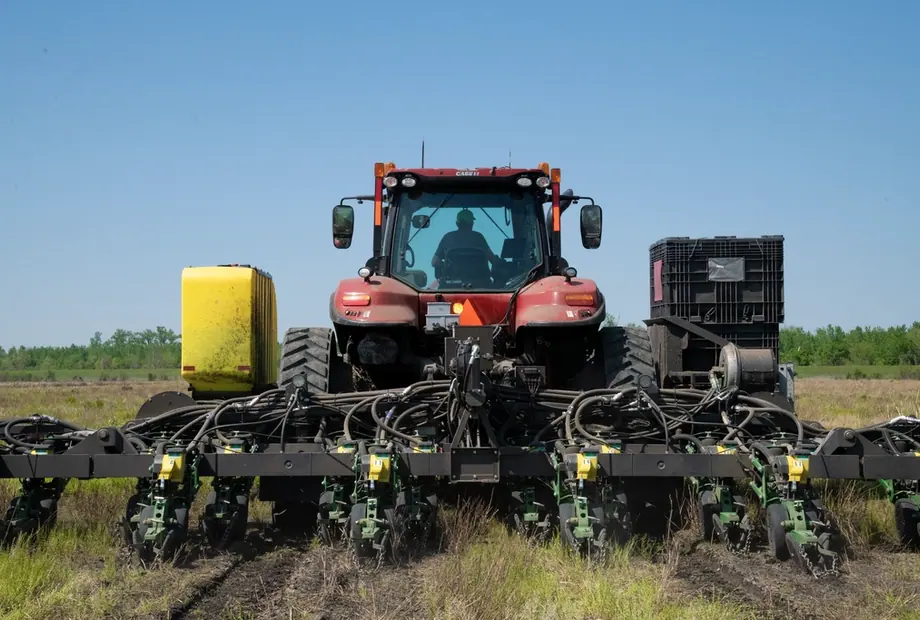
Why catching crop disease early changes the whole season
Most yield loss to disease is decided in the first days after onset. Here is why plant-level detection beats blanket spraying — and how to act on what you find.
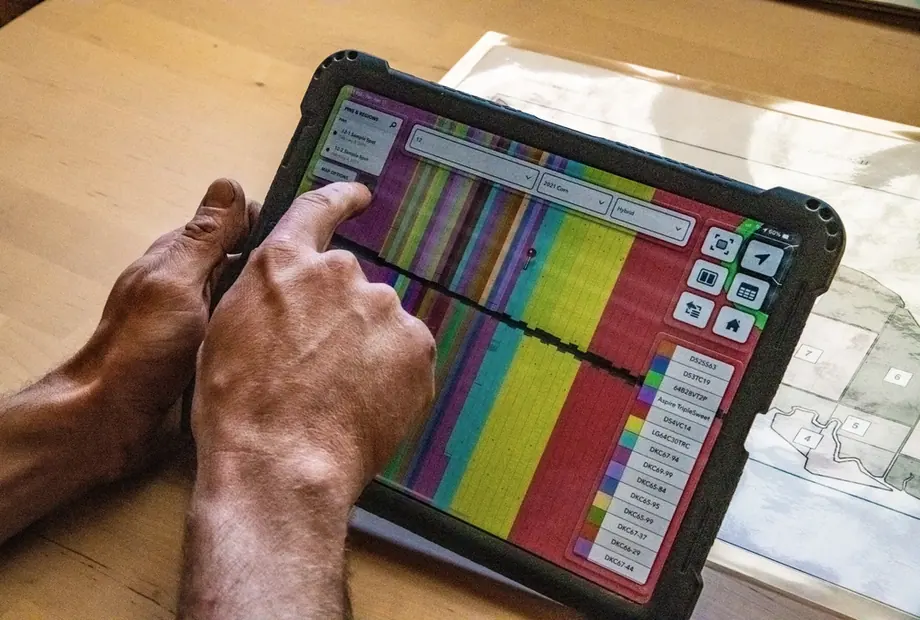
What computer vision actually sees in a stressed leaf
Chlorosis, lesions, wilting, mottling — the visual signatures of stress are real and learnable. A plain-language tour of how our models read a canopy.