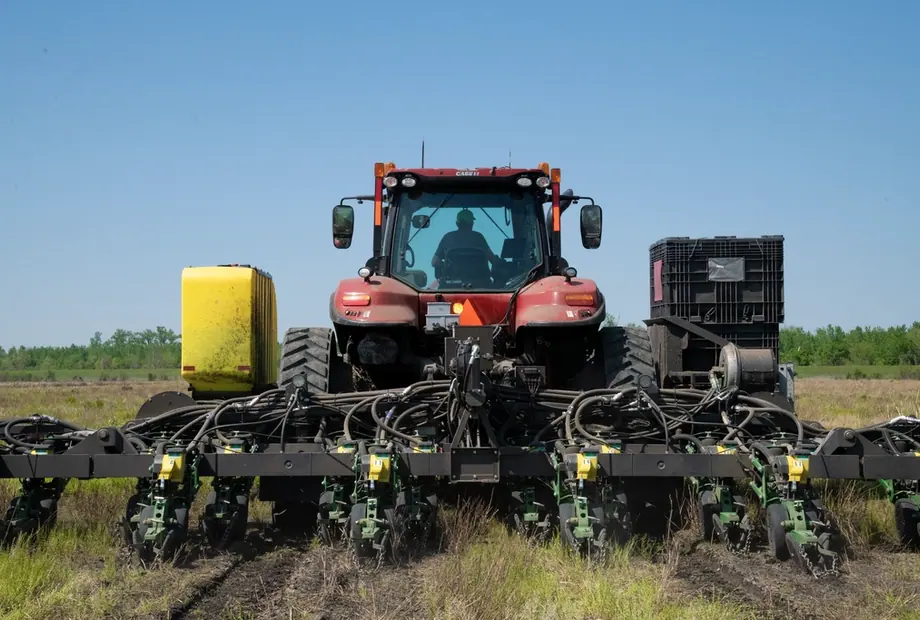
Why catching crop disease early changes the whole season
Draft: a launch-seed article. It reflects our genuine approach and contains no invented results.
Most yield loss to disease is decided in the first few days after onset. By the time a problem is obvious from the cab, it has usually spread — and the cheapest window to act has closed.
Why early beats everything
Disease and pest pressure tend to start small and local: a few plants, a corner of a field, a low spot that holds moisture. Caught there, the response can be surgical — scout, spot-treat, or simply watch. Caught late, the same problem often forces a blanket spray across the whole field, which costs more, uses more input, and still loses plants.
The economics are simple. Acting early protects yield on the plants that would otherwise be lost and avoids treating the plants that were never at risk.
The catch: you cannot watch every plant
Plant-level monitoring used to mean an agronomist walking every row, which does not scale. That is exactly the gap Verdyn is built to close — turning a drone flight or a phone walk-through into a per-plant read of where stress is starting.
The goal is not more data. It is the right action on the right plants, in time.
How to act on what you find
- Confirm on the ground before treating — imagery points you to the spot; your judgement makes the call.
- Prefer the smallest effective response: scout, spot-treat, then re-check.
- Re-fly or re-walk the area to see whether the problem is spreading or settling.
This is a launch draft. We will replace it with field-tested specifics as our pilots conclude.
Written by the people building Verdyn's detection models and working with partner organisations in the field.
Keep reading
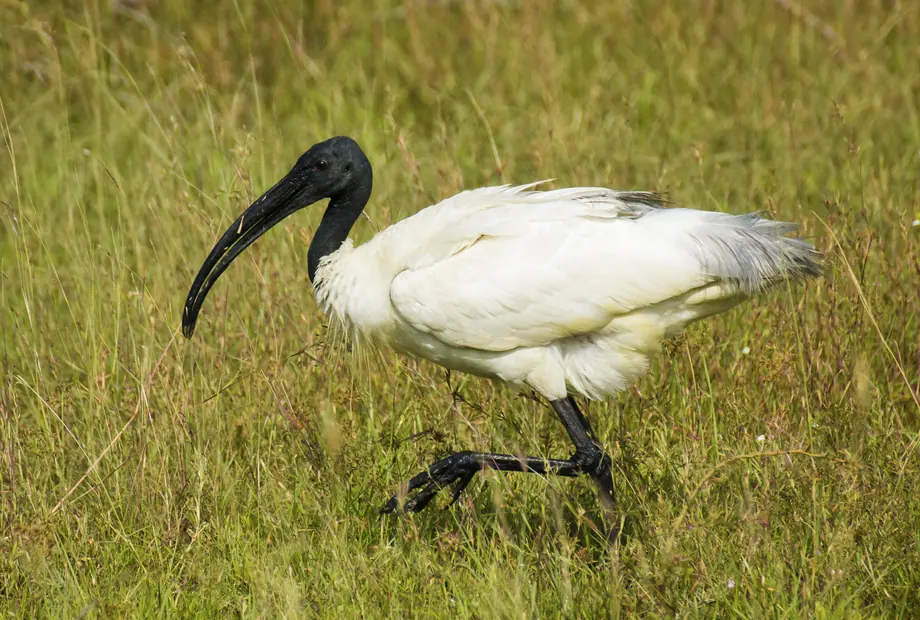
Drone or phone? Choosing the right imagery for your fields
You do not need an expensive rig to get useful crop imagery. A practical look at when a phone walk-through is enough and when a drone flight pays for itself.
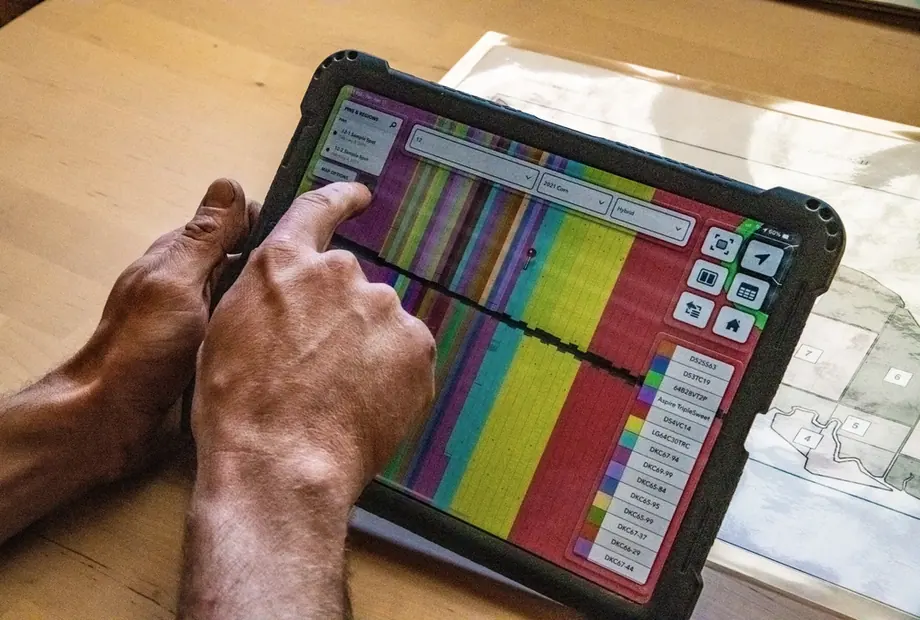
What computer vision actually sees in a stressed leaf
Chlorosis, lesions, wilting, mottling — the visual signatures of stress are real and learnable. A plain-language tour of how our models read a canopy.